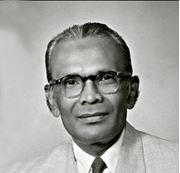
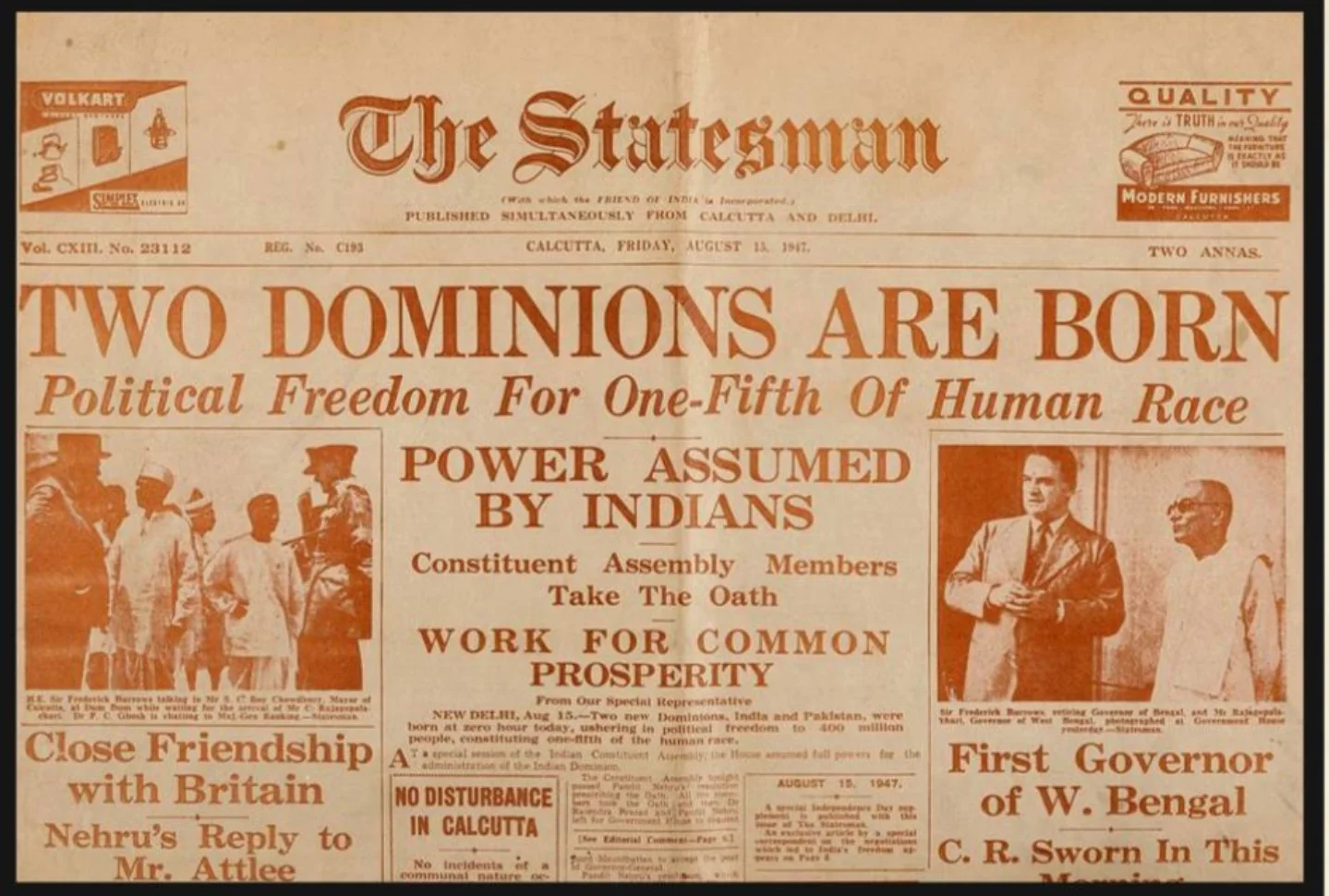
Krishnaji Howlaji Ara (1914 – 1985) was born on April 16, 1914 in Secunderabad to a chauffeur. Facing early hardship, he ran away to Bombay, which became his lifelong home until his demise in 1985. Earning his living by cleaning cars and working as a domestic helper, Ara painted relentlessly in his spare time. His raw talent was spotted by Illustrated Weekly editor Walter Langhammer, who enrolled him in the J.J. School of Art. A passionate nationalist, Ara participated in Gandhi's Salt Satyagraha in 1930 and was imprisoned for five months.
Encouraged by art critic Rudy von Leyden of The Times of India, Ara held his landmark debut exhibition at Chetana Restaurant in Bombay in 1942, catapulting him to regional fame. In 1948, he joined the revolutionary Progressive Artists' Group (PAG) alongside F.N. Souza, S.H. Raza, and M.F. Husain. Over the following decades, Ara exhibited extensively across Mumbai, Ahmedabad, Baroda, and Calcutta, as well as internationally in Romania, Hungary, Bulgaria, Germany, Japan, and Russia.
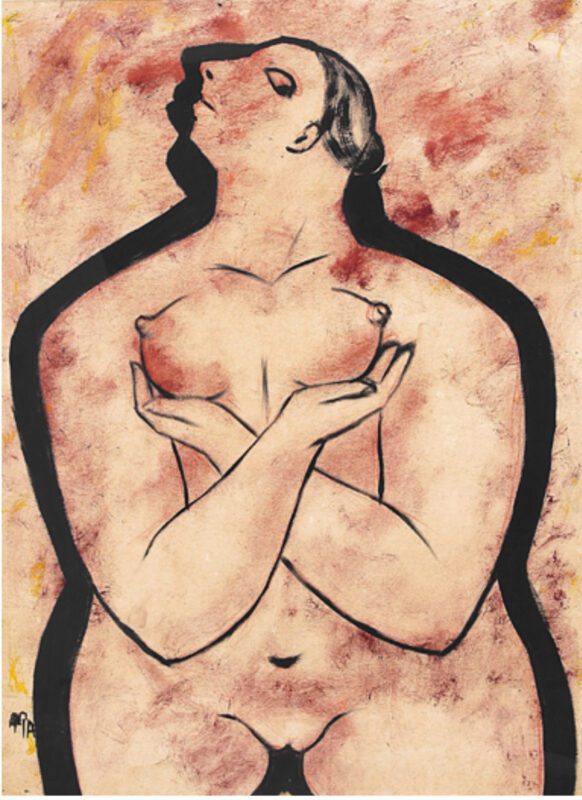
Ara was perhaps the first contemporary Indian artist to systematically explore the theme of the female nude, combining honest expression of form with naturalised figuration. Working primarily in watercolours and gouaches, he often achieved rich impasto effects or experimented with thin oil pigment reminiscent of watercolour washes. His awards include the Governor's Award (1944), Gold Medal from the Bombay Art Society (1952), and the Windsor & Newton Cash Prize. He served on the managing committee of the Bombay Art Society, was a Fellow of the Lalit Kala Akademi, and was deeply associated with the Artist's Centre in Bombay.