CONFERRO HERITAÈ
A LIVING ARCHIVE
OF PRINT
A Collection Built Across Centuries
Conferro Heritaè has built an extensive collection of historical publications that brings together fragments of the world’s printed heritage across regions, eras, languages and cultures.
The collection encompasses newspapers, books, magazines, advertisements, cartoons, photographs, manuscripts and other printed records—each offering a physical connection to the time in which it was created.
Together, these materials trace the evolution of print, publishing and visual communication, while revealing the social, cultural, political and economic worlds that shaped different generations.
These are not simply old publications. They are physical pieces that have passed through eras—records that have witnessed changing societies, major events, evolving ideas and everyday life.
THE PRINTED RECORD
Evolution Across Centuries
Historical publications offer a direct view into the evolution of societies and the changing ways in which information, ideas and culture have been recorded and communicated.
From nineteenth-century regional newspapers to twentieth-century international publications, each period reveals a different relationship between print, society and the world around it.
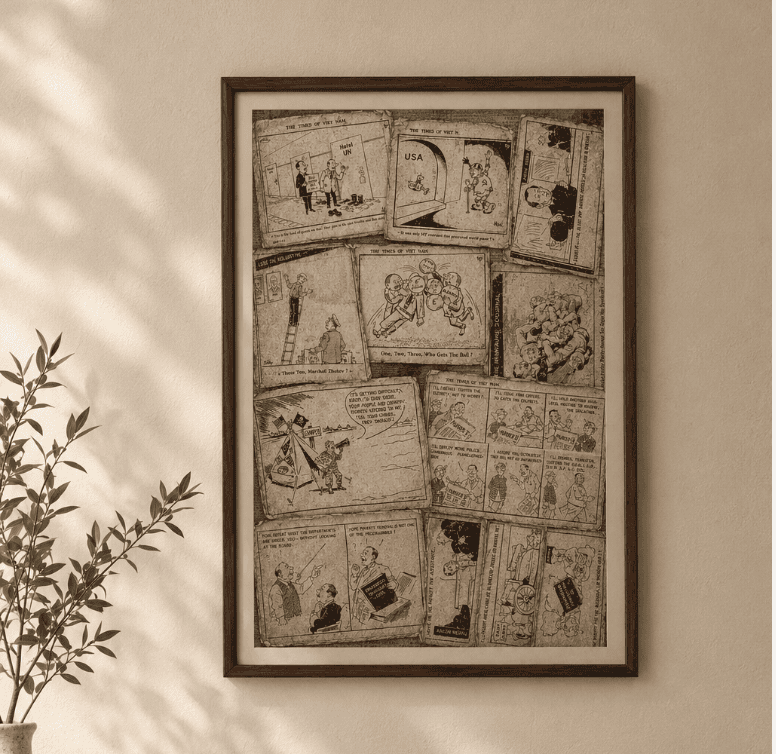
Newspapers record the events of their time. Books preserve ideas and knowledge. Magazines capture changing interests and lifestyles. Advertisements reveal consumer culture and visual language. Cartoons reflect public sentiment and contemporary conversations.
Together, they create a narrative of the decades, allowing the collection to be explored not simply publication by publication, but through the events, ideas and cultural shifts that define each era.
Across centuries, printed publications have recorded the changing ways societies communicated, documented events and understood the world around them.
COLLECTION HIGHLIGHTS
Measured in fragments of time
Together, these records create an expansive archive of printed material spanning different periods, places and cultural contexts.
From collection to historic property
The significance of the collection lies not only in what has been accumulated, but in what can be built around it.
Conferro Heritaè seeks to develop the collection into a historic property—a place where historical publications can be collected, researched, interpreted and experienced.
Access to primary historical material for researchers, scholars and institutions.
Long-term care of publications and other fragile printed records.
Creating accessible digital records while protecting the original physical material.
Presenting publications through historical themes, events, regions and cultural narratives.
Creating new ways for audiences to encounter the history contained within the archive.
Building a historic property where printed heritage can be encountered, studied and experienced.
MORE THAN PRINT
Why These Records Endure
Historical publications are more than sources of information. Each surviving newspaper, book, magazine or advertisement is a physical piece that has passed through time—carrying the paper, typography, imagery and visual language of its era.
Created as everyday objects, many were never meant to become historical records. Their survival gives them a deeper significance, offering glimpses into the lives, ideas, aspirations and cultures of the people who created and experienced them.
They reveal:
SOCIAL LIFE · PUBLIC DISCOURSE · COMMERCE · FASHION · TECHNOLOGY · DESIGN · EVERYDAY CULTURE
Together, these objects represent both tangible heritage and intangible knowledge—allowing future generations to encounter the worlds captured in their pages.
Every surviving publication carries more than printed words—it carries traces of the society,
Why a Surviving Newspaper Matters
A newspaper is created for a particular day, but its historical value can last for generations. Printed for immediate consumption, newspapers were often treated as everyday objects rather than permanent records. Over time, many were lost, damaged or discarded.
The surviving examples therefore offer something unique: a direct physical connection to the moment in which they were produced.
A historical newspaper can reveal not only what was happening, but how that moment was reported, presented and understood at the time.
Its headlines, photographs, advertisements, typography and page layouts together form a record of the era.
A newspaper preserved beyond its day becomes a physical record of the world that produced it.
Archival timeline
Rather than presenting publications only as individual objects, the archive can be explored through the major themes, events and cultural shifts of each period. Each publication becomes a point of entry into a larger historical story.
19th Century
The nineteenth century marks an important period in the development of newspaper culture, regional publishing and public communication.
Explore this period →Early 20th Century
The early twentieth century saw newspapers become important records of rapidly changing societies, international affairs and major historical events.
Explore this period →1950s–1980s
Publications from the post-independence decades provide a contemporary record of India's changing social, political and economic landscape.
Explore this period →1980s–1990s
By the late twentieth century, publications increasingly reflected a rapidly interconnected world, with international events and technology influencing public discourse.
Explore this period →Regional Print & Emerging Public Discourse
The nineteenth century marks an important period in the development of newspaper culture, regional publishing and public communication. Publications from this period provide insight into emerging economic centres, regional societies and the development of Indian print culture.
Regional Journalism · Early Print Culture · Economic Centres · Social Life · Public Discourse
FEATURED PUBLICATION: The Kathiawar Times
Rajkot · 6 February 1897 · Vol. IX, No. 31
Caption: A late-nineteenth-century regional newspaper offering a glimpse into the print culture and public life of colonial-era India.
A World in Transformation
The early twentieth century saw newspapers become important records of rapidly changing societies, international affairs and major historical events. Indian and international publications from this period can be placed alongside one another to show how different parts of the world recorded the events of their time.
National Affairs · International Events · Social Change · War · Economic Transformation
FEATURED PUBLICATIONS:
Indian Newspapers: Historical perspectives on events, society and developments within India.
The New York Times: An international reference point for understanding how major events were reported beyond India.
Caption: Publications from different regions provide parallel perspectives on the events and transformations of the early twentieth century.
India in Transition
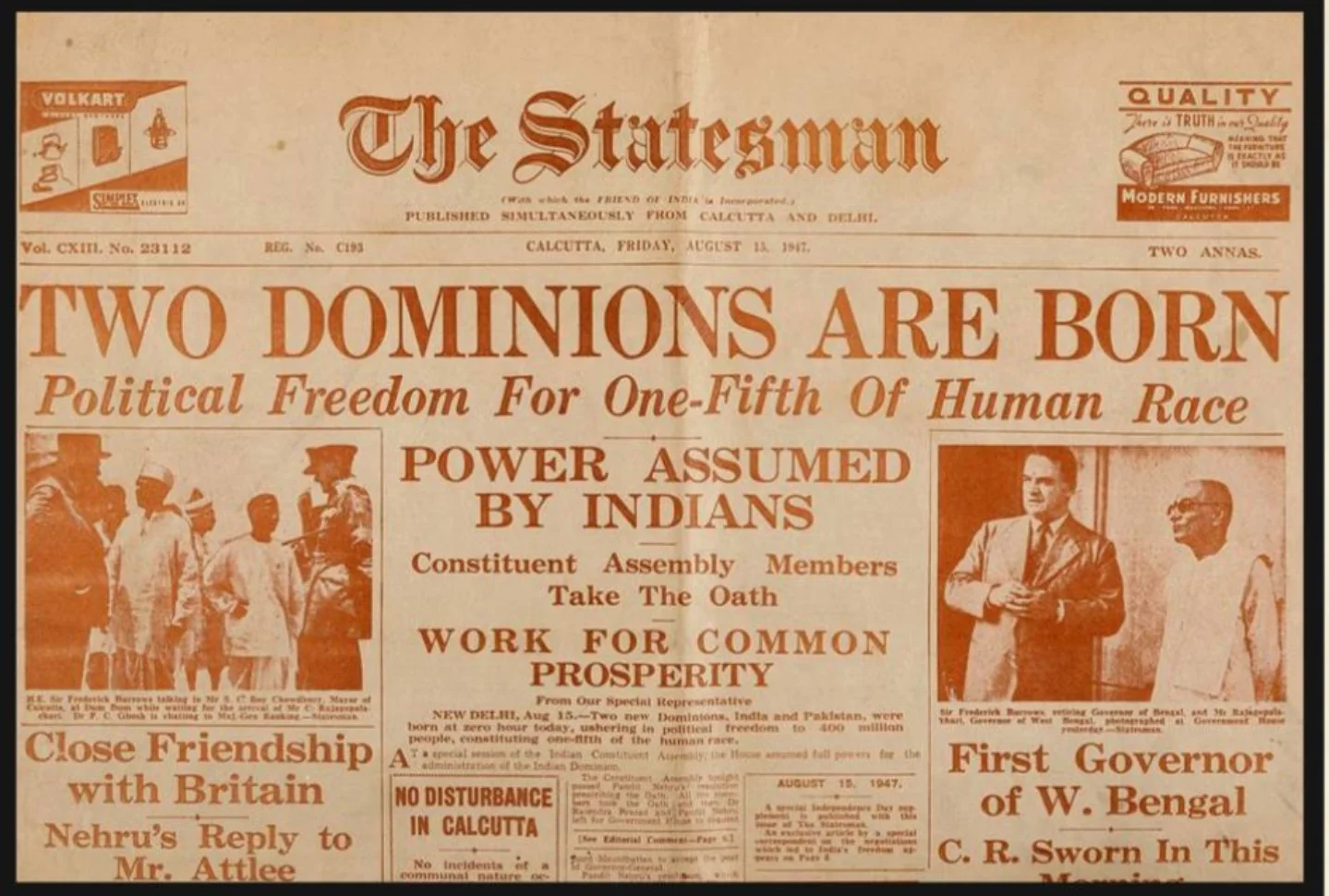
Publications from the post-independence decades provide a contemporary record of India's changing social, political and economic landscape. The archive can bring together newspapers and magazines around significant events, changing public conversations, wars, discoveries and developments that shaped the decades.
Indian Affairs · Political Change · Social Transformation · Wars · Discoveries · Industry · Culture
Caption: Newspapers and magazines from the post-independence decades capture a changing India through the events and conversations of their time.
A Changing Global Conversation
By the late twentieth century, publications increasingly reflected a rapidly interconnected world, with international events, technology, business and culture influencing public discourse across borders. Publications from this period extend the archive into a world shaped by changing technologies, expanding global communication and new cultural conversations.
Global Affairs · Technology · Business · Culture · International Journalism
Caption: Late twentieth-century publications reflect a world increasingly connected through technology, commerce, media and culture.
Archival timeline
Rather than presenting publications only as individual objects, the archive can be explored through the major themes, events and cultural shifts of each period. Each publication becomes a point of entry into a larger historical story.
A World in Transformation. International reference points alongside Indian newspapers recording global affairs and social change.
19th Century
The nineteenth century marks an important period in the development of newspaper culture, regional publishing and public communication.
Explore this period →A Global Printed Record
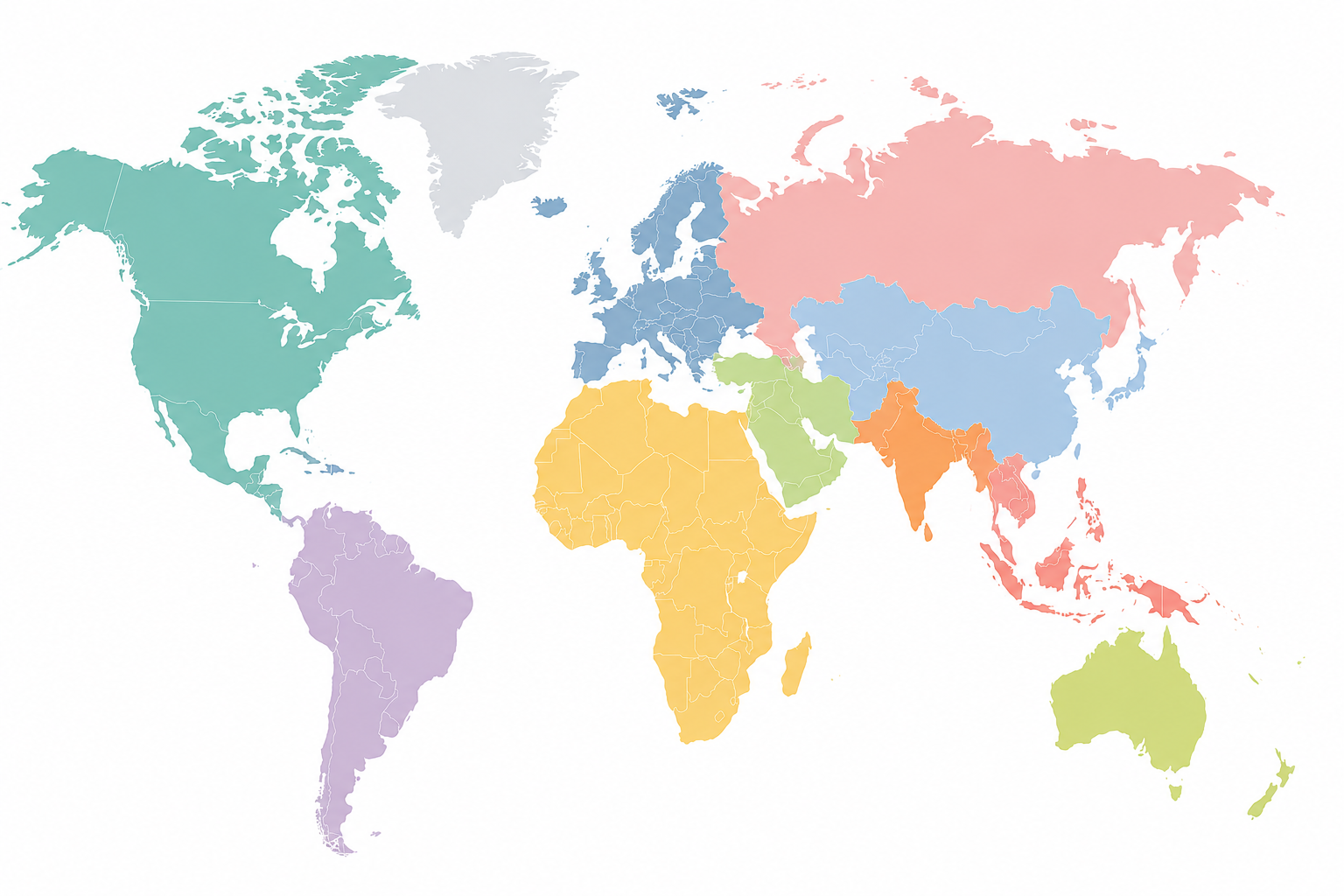
The collection extends across countries, regions, eras, languages and cultures, bringing together publications that preserve histories that may otherwise remain fragmented or inaccessible.
From regional newspapers to international publications, each record adds another perspective to the larger story of civilisation.
A Global Printed Record
The collection extends across countries, regions, eras, languages and cultures, bringing together publications that preserve histories that may otherwise remain fragmented or inaccessible.
From regional newspapers to international publications, each record adds another perspective to the larger story of civilisation.
Commercial Memory & Visual Culture
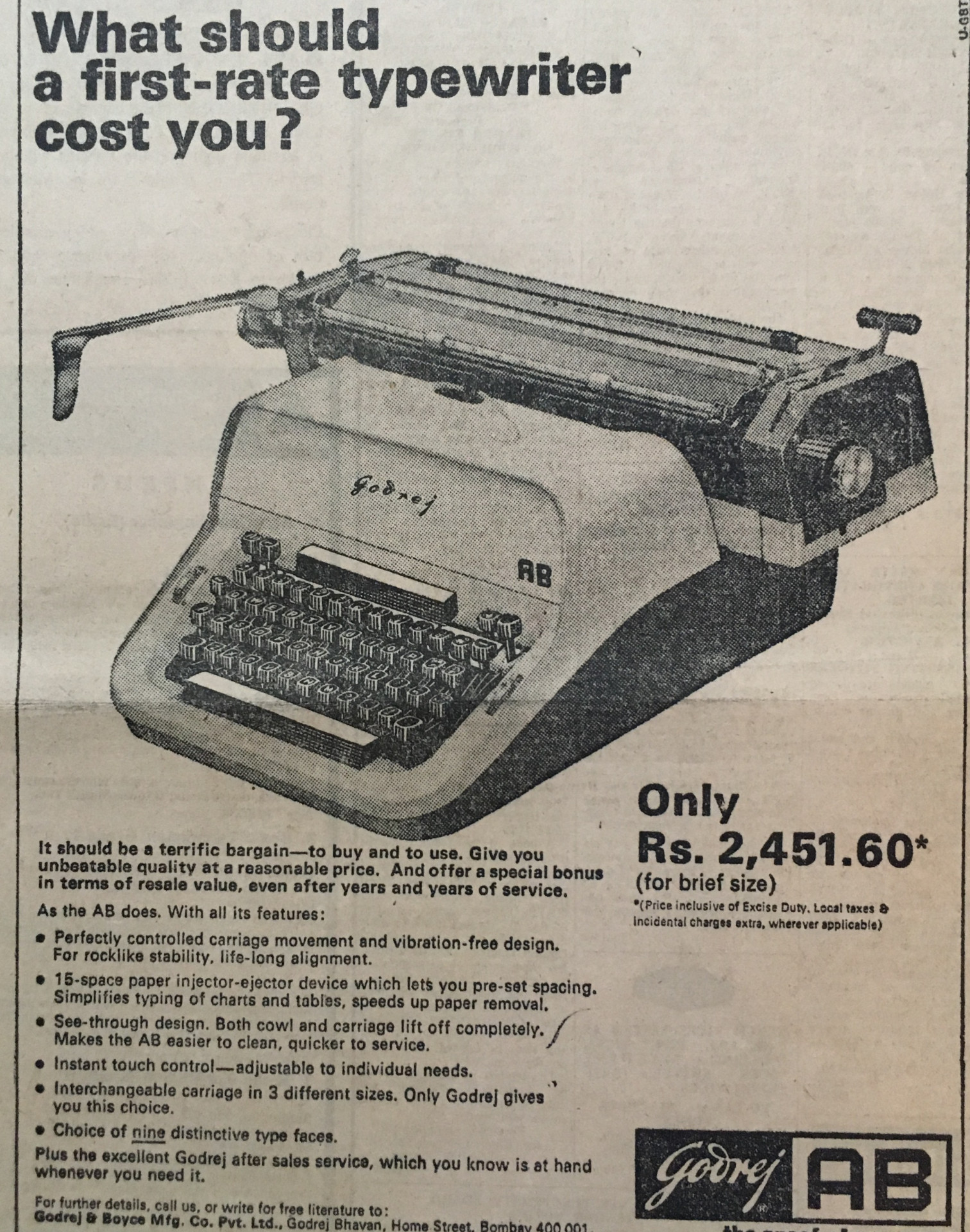
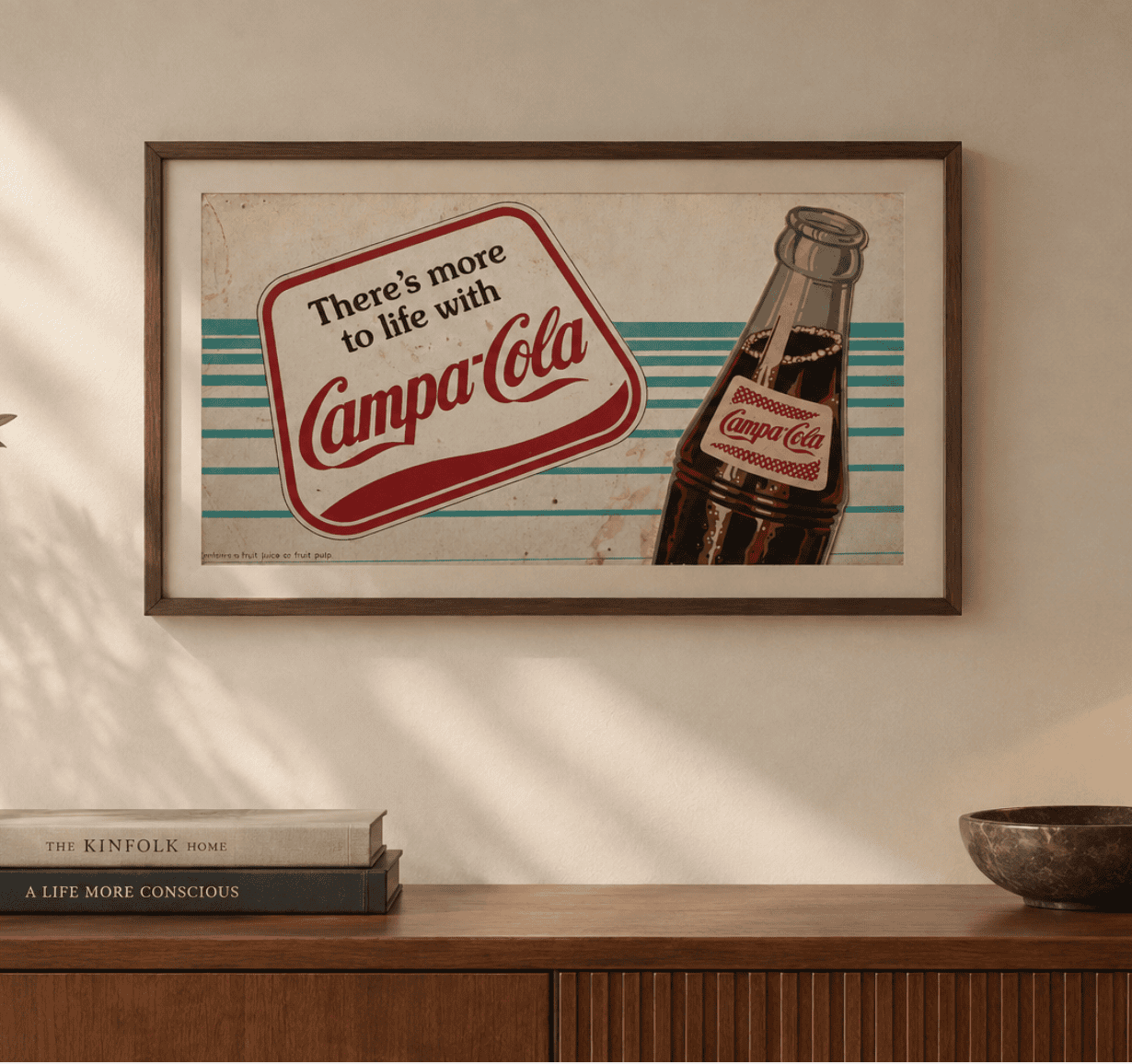
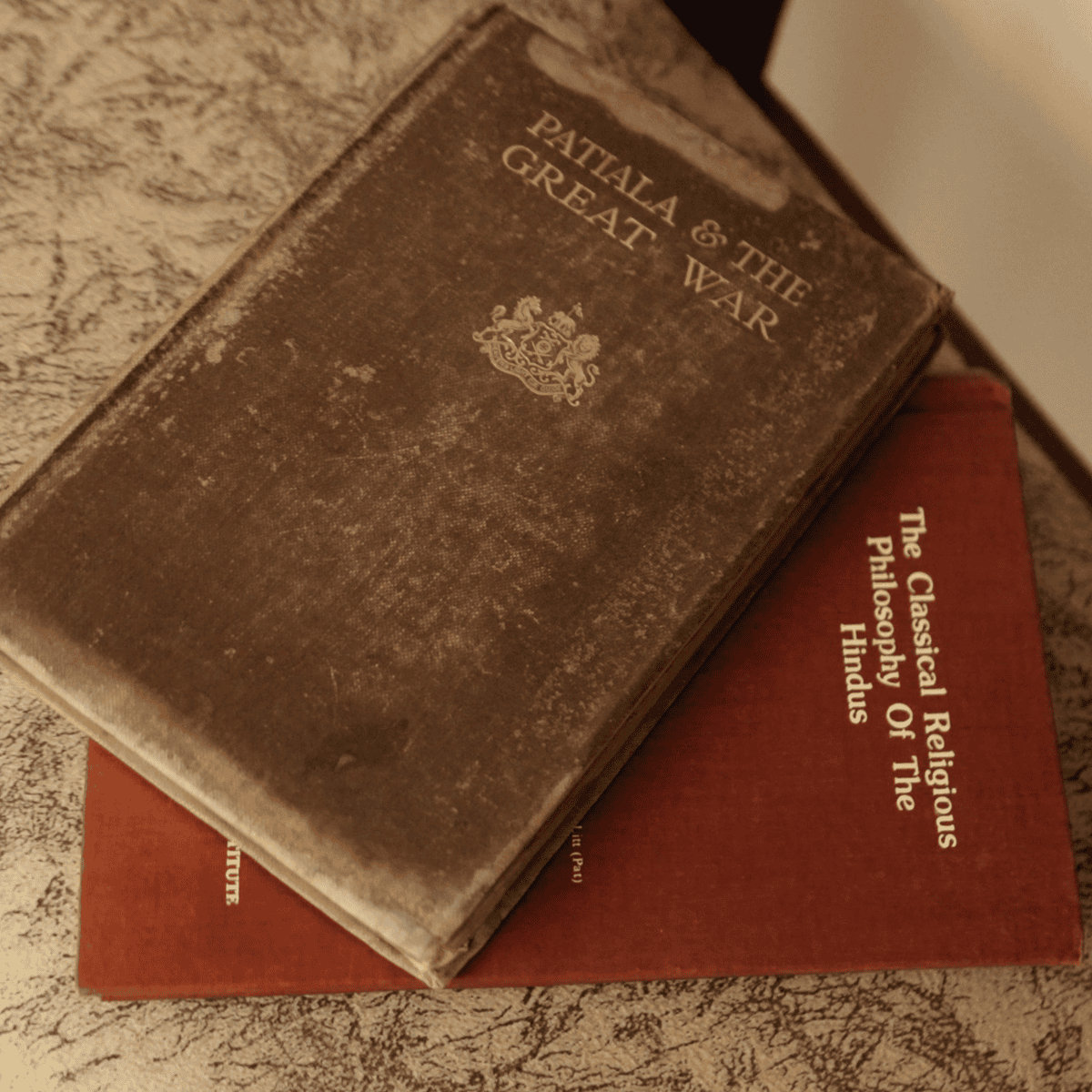
Vintage advertisements offer another way of understanding the past.
Beyond promoting products, they record the changing visual language of commerce—revealing how people, products, lifestyles and aspirations were represented across different periods.
Typography, illustration, photography, packaging, fashion and composition all reflect the technologies and cultural conventions of their time.
Seen together, these advertisements create a visual history of consumer culture, design and everyday life.
A vast body of commercial imagery documenting changing products, lifestyles, design languages and consumer culture.
Commercial Memory & Visual Culture
Vintage advertisements offer another way of understanding the past.
Beyond promoting products, they record the changing visual language of commerce—revealing how people, products, lifestyles and aspirations were represented across different periods.
Typography, illustration, photography, packaging, fashion and composition all reflect the technologies and cultural conventions of their time.
Seen together, these advertisements create a visual history of consumer culture, design and everyday life.
A vast body of commercial imagery documenting changing products, lifestyles, design languages and consumer culture.
The physicality of history
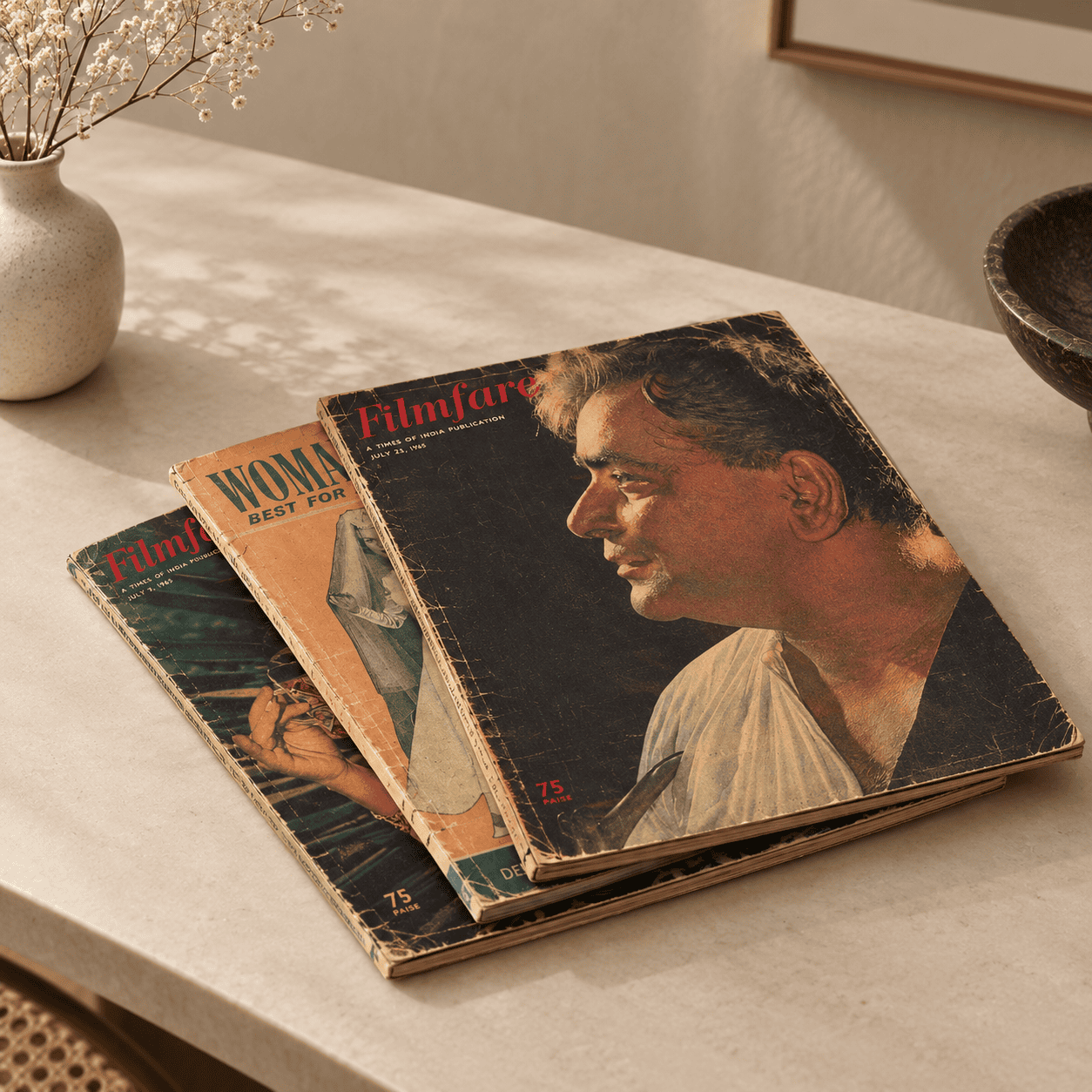
There is a particular significance to encountering history in its original physical form. The paper, texture, typography, printing, illustrations and marks of age are themselves part of the story.
These objects have moved through different generations before arriving in the archive today. Their value therefore lies not only in what they tell us, but also in the fact that they have survived to tell it.
The physical character of an original publication forms part of its historical story.
Print is Print
Explore a collection built across centuries.
Discover the publications, stories and visual culture that shaped generations.